
一、 Basic Identification Information
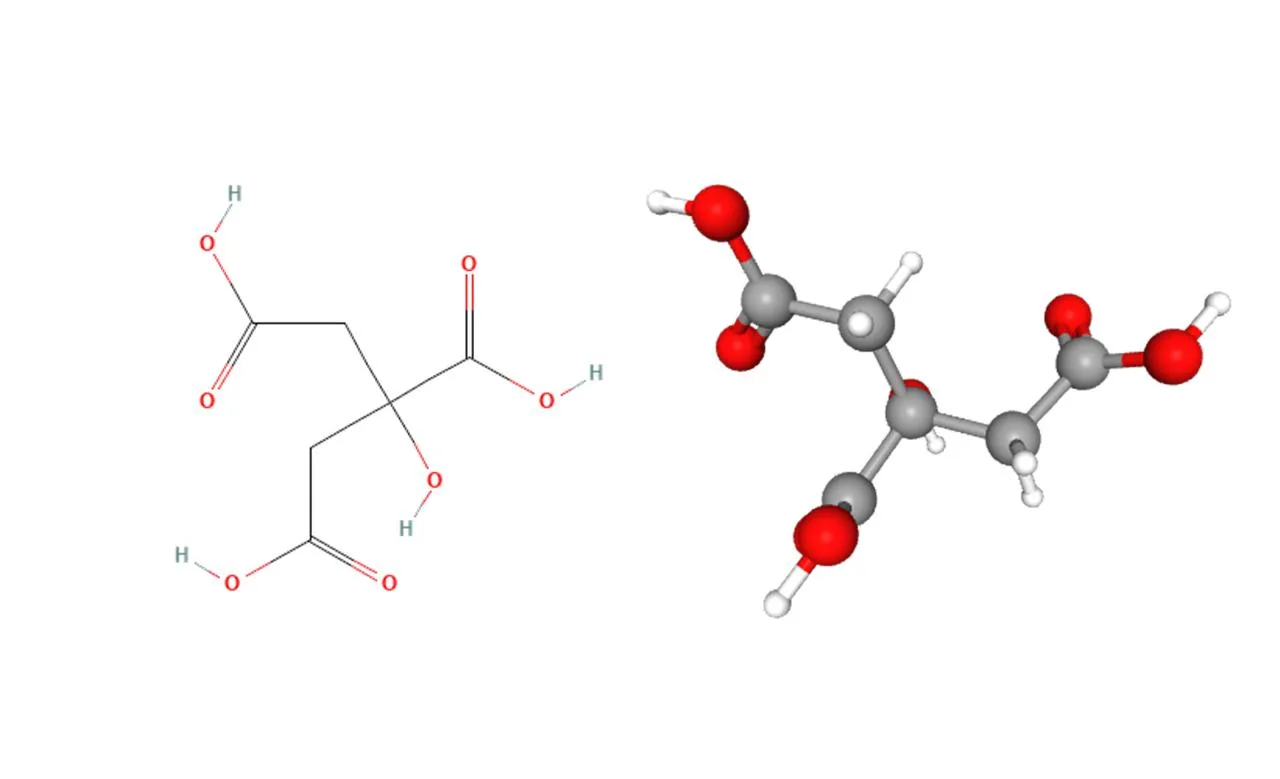
1. Chinese / English / Synonyms: Citric Acid; 2-Hydroxy-1,2,3-propanetricarboxylic acid
2. CAS Number: Anhydrous 77-92-9; Monohydrate 5949-29-1; EINECS: 201-069-1; E Number: E330 (food additive)
3. Molecular Formula / Molecular Weight: Anhydrous C₆H₈O₇ (192.12 g/mol); Monohydrate C₆H₈O₇·H₂O (210.14 g/mol)
4. Natural Occurrence: Widely found in citrus fruits such as lemons, limes, and oranges (with concentrations in dried lemons reaching up to 8%); it is also a key intermediate metabolite in the citric acid cycle (TCA cycle) within living organisms. Translated with DeepL.com (free version)
二、 Key Physical and Chemical Properties
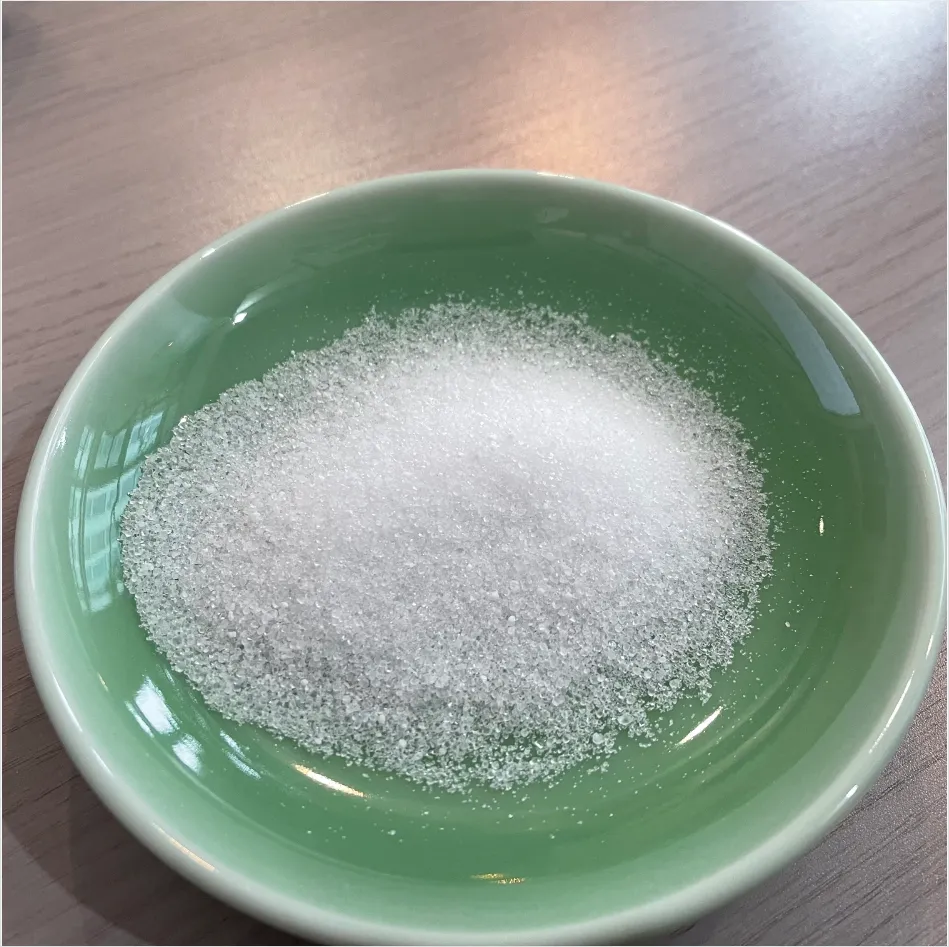
1. Appearance: Colorless, transparent crystals or white crystalline powder; odorless; has a strong, refreshingly sour taste; at room temperature, the monohydrate is commonly found; the anhydrous form crystallizes out at temperatures above 36.6°C
2. Solubility: Extremely soluble in water (approximately 147 g/100 mL at 20°C); soluble in ethanol; slightly soluble in diethyl ether; insoluble in benzene and toluene
3. Melting Point: Anhydrous form: 153–159°C; monohydrate: 70–75°C (upon dehydration)
4. Chemical Properties: A weak ternary acid (pKa values for the three protons are 3.13, 4.76, and 6.40, respectively); exhibits strong chelating properties (can form complexes with metal ions such as Ca²⁺ and Mg²⁺); possesses strong pH-regulating and buffering capabilities; decomposes upon dehydration at temperatures above 175°C to form aconitic acid, itaconic acid, and other compounds
5. pH of aqueous solution: 0.1 mol/L is approximately 2.2; commonly used as a mild acidifying agent and in chelation systems
三、Industrial Production Processes (Mainstream Fermentation Methods)
1. Core Process: Aspergillus niger deep-fermentation method (accounting for over 90% of global production), using hydrolyzed corn starch, molasses, and sucrose as raw materials; the chemical synthesis method is used only in special cases
2. Process: Raw material sterilization → Inoculation with Aspergillus niger → Aerated deep fermentation (pH 1.5–2.8, temperature 30–35°C) → Filtration to remove mycelium → Neutralization with calcium carbonate to produce calcium citrate → Sulfuric acid hydrolysis → Decolorization via ion exchange or activated carbon → Concentration and crystallization → Separation and drying → Food-grade / industrial-grade finished product
四、Diverse Applications
1. Food Industry (approximately 70% of total usage): Acidulants (soft drinks, fruit juices, candies, yogurt); preservatives (lowering pH to inhibit mold growth); color retainers (preventing browning of fruits and vegetables); antioxidant synergists (chelating metals to protect fats and vitamin C); emulsifiers and stabilizers (ice cream, cheese)
2. Personal Care and Cleaning: Detergent builders (chelate hard water ions, enhance cleaning power); pH adjusters in cosmetics (face creams, shampoos); household descaling agents (remove scale from kettles and bathroom fixtures)
3. Textile Printing and Dyeing: pH adjusters in dye baths to promote the fixation of reactive dyes; chelates metal ions to prevent dyeing defects
4. Pharmaceuticals and Biochemistry: Preparation of citrate buffers (injectable solutions, enzyme preparations); sodium citrate as an anticoagulant (blood preservation); calcium/iron citrate as high-bioavailability mineral supplements
5. Environmental Protection and Water Treatment: Flue gas desulfurization; chelating agents for water treatment; pH adjustment for biogas and wastewater treatment
6. Metal Processing: Mild rust removal and pickling; electroplating complexing agents
五、Safety, Standards, and Storage and Transportation
1. Safety: Recognized as GRAS (Generally Recognized as Safe) by the FDA and EFSA; food-grade products comply with GB 1886.235-2016, USP, FCC, and EP; excessive intake may cause gastrointestinal discomfort; in case of skin or eye contact, rinse thoroughly with water
2. Storage: Store in a sealed container in a cool, dry, and well-ventilated area to prevent moisture and caking; avoid storing with strong oxidizing agents or alkalis; strictly separate food-grade and industrial-grade products.
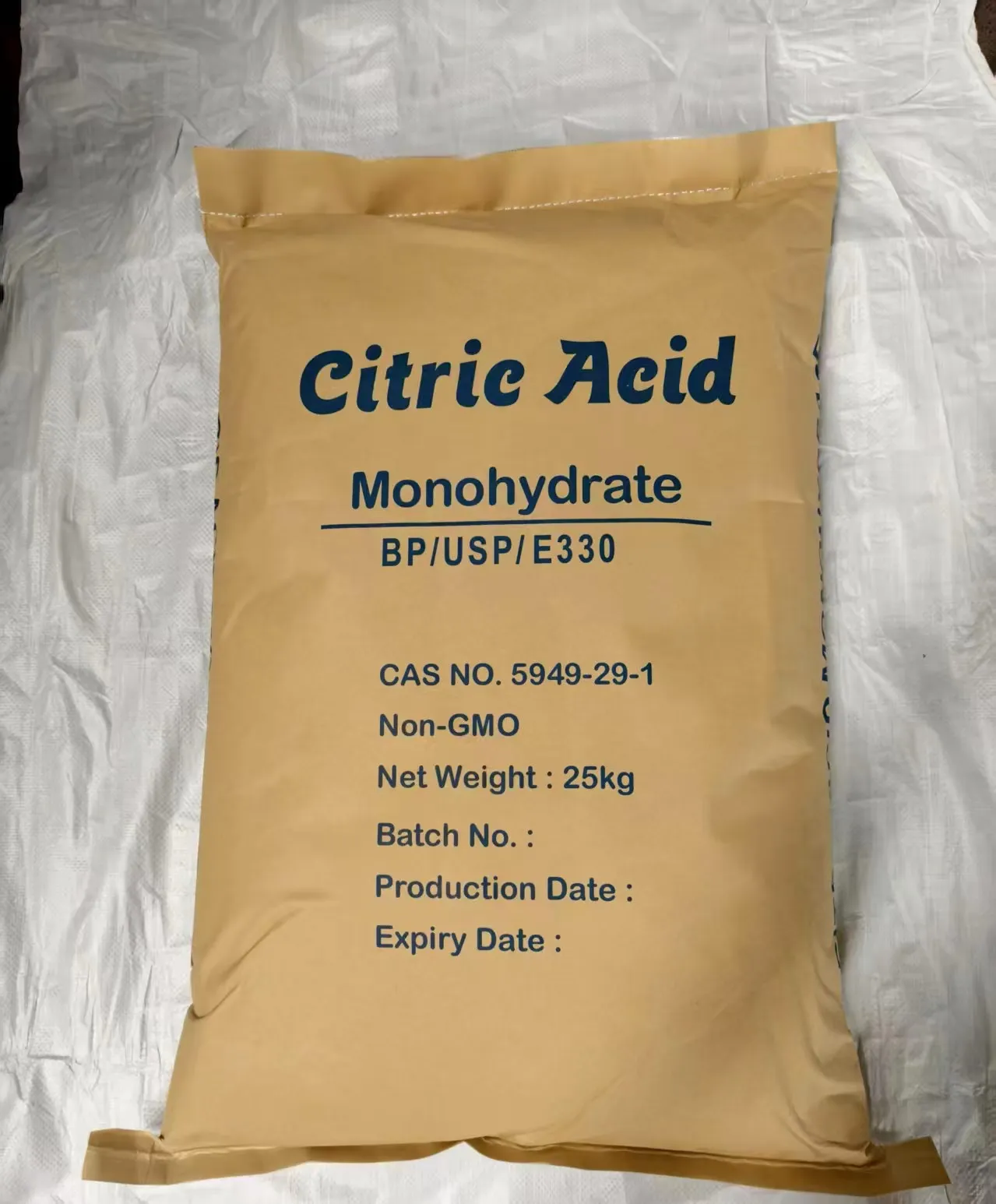
Packaging: 25 kg paper-plastic composite bags, 500/1000 kg big bags; moisture-proof packaging compliant with maritime transport standards is commonly used for export.
六、Key Information for Foreign Trade
1. Common HS Code: 29181400 (Citric Acid, Anhydrous / Monohydrate)
2. Purity: Food grade ≥99.5%, Industrial grade ≥99.0%
3. Major Export Markets: Europe, the United States, Southeast Asia, and the Middle East; COA, SDS, and Halal/Kosher certifications can be provided upon customer request

Copyright © 2026 por Waycen Technology (Shandong) Co., Ltd. Todos los derechos reservados